Modern kitchen design is about more than aesthetics. Discover how to choose durable materials, practical sink configurations, and water-efficient tapware that combine style with long-term performance.
Quick answer: A modern kitchen that lasts starts with the way your household cooks, cleans and stores everyday items. Plan the layout and storage first, then choose a sink, tapware, surfaces and finishes that suit that routine. Clean lines may create the modern look, but practical dimensions, easy-care materials and compatible fixtures are what make the kitchen work well over time.
Modern kitchen design in Australia is not simply about following the latest colour trend. A successful kitchen balances appearance, workflow, storage, maintenance and durability. Whether you are planning a complete kitchen renovation or replacing a few hardworking fixtures, the following decisions can help you create a space that remains functional as your needs change.
What makes a modern kitchen practical?
A practical kitchen supports the tasks that happen in it every day. Before choosing about colours or finishes, consider who uses the kitchen, how often you cook, which appliances stay on the benchtop and whether more than one person regularly prepares food at the same time.
The traditional work triangle between the sink, cooktop and refrigerator can be a useful starting point, particularly in a compact kitchen. However, many households benefit from thinking in work zones: food storage, preparation, cooking, cleaning and serving. The best layout is the one that reduces unnecessary movement and leaves safe, useful preparation space where you need it.
If space is limited, our guide to choosing a sink for a small kitchen explains how bowl size, depth and drainboard design can affect usable bench space.
Which kitchen materials are suitable for everyday use?
There is no single material that is best for every kitchen. Durability depends on the material, its finish, manufacturing quality, installation and how it is maintained. Compare products using their documented specifications and care instructions rather than assuming that every item made from the same material will perform identically.
- Stainless steel: widely used for sinks because it is practical, corrosion-resistant and relatively easy to maintain. Surface marks and water spots may still occur, and the grade, thickness and finish vary between products.
- Granite composite: offers a solid appearance and a range of colours. Resistance to heat, stains and scratching varies by product, so follow the supplier's care instructions and avoid making universal claims.
- Solid brass tapware: provides a substantial base material for mixers and spouts, but the cartridge, surface finish, water pressure, installation and maintenance also influence long-term performance.
- Benchtops and cabinetry: should be selected for the household's budget, cleaning habits and tolerance for maintenance—not appearance alone.
For a closer comparison of two common sink materials, read granite sinks versus stainless steel sinks. You can also learn how to care for a granite composite sink.
How do you choose the right kitchen sink?
The sink is one of the most frequently used fixtures in a kitchen. Start with the available cabinet and benchtop space, then consider the bowl configuration, overall dimensions, internal bowl size, depth, mounting method, drain position and accessories.
| Sink layout | Often suits | Check before buying |
|---|---|---|
| Single bowl | Large cookware and buyers wanting one uninterrupted washing area | Internal bowl dimensions and available cabinet width |
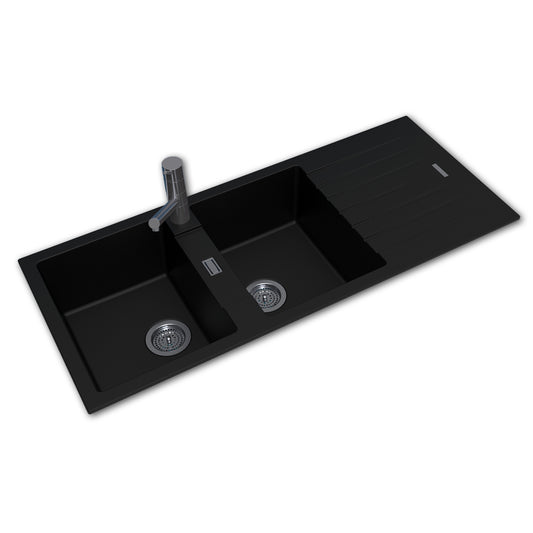
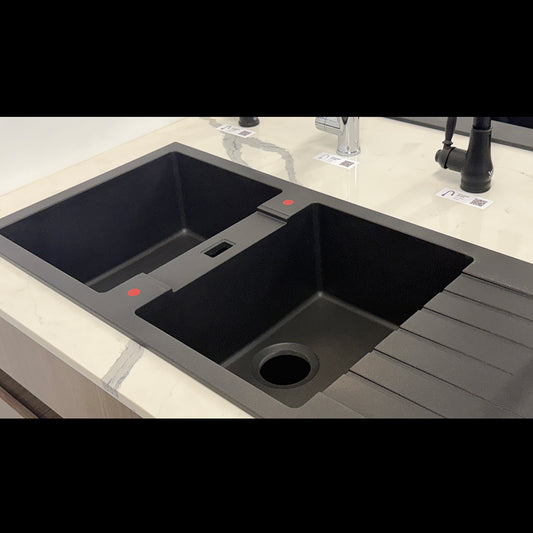
| Double bowl | Separating washing, rinsing and food-preparation tasks | Whether each bowl is large enough for your cookware |
| Sink with drainboard | Households that hand-wash regularly or want a dedicated draining area | Overall footprint and left- or right-hand orientation |
Do not rely on the external dimensions alone. Compare them with the bowl dimensions, cabinet requirements and installation cut-out supplied for the exact model. Our Australian kitchen sink size guide explains the measurements to check, while the single bowl, double bowl and drainer sink guide compares the main layouts.
Is an undermount or topmount sink better?
Neither installation method is automatically better. A topmount sink has a visible rim resting on the benchtop and can suit a broad range of installations. An undermount sink is fixed beneath a compatible benchtop, creating an uninterrupted edge around the cut-out. Compatibility depends on the sink, benchtop material, cabinetry and installation requirements.
Confirm the mounting options for the exact sink and speak with your cabinetmaker or installer before the benchtop is cut. See our detailed comparison of undermount and topmount kitchen sinks.
How should you choose kitchen tapware?
A kitchen mixer needs to suit both the sink and the way you use it. Consider spout height and reach, available clearance, handle movement, spray functions and whether you need a pull-out head or a separate filtered-water connection. An oversized mixer paired with a small or shallow bowl may increase splashing, while a spout with insufficient reach may make the sink awkward to use.
For regulated tapware, check the WELS information provided for the exact product rather than assuming that every mixer has the same rating or flow rate. Installation should follow the product instructions and applicable Australian requirements.
Compare common options in our guide to different types of kitchen mixers, or explore the practical considerations of pull-out kitchen mixer taps.
How can storage make a modern kitchen easier to use?
Modern kitchens often look uncluttered because storage has been planned around real belongings. List the cookware, appliances, pantry items, cleaning products and recycling containers that need a home before finalising the cabinetry.
- Use deep drawers where they make pots and pans easier to see and reach.
- Keep frequently used utensils close to the preparation and cooking zones.
- Allow practical storage near the sink for cleaning products without obstructing plumbing.
- Plan where benchtop appliances will live, including access to suitable power points.
- Use vertical dividers or dedicated compartments where they genuinely suit the items you own.
Good storage is not about installing every available organiser. It is about giving everyday items a logical place while keeping preparation areas clear.
Which colours and finishes will stay relevant?
Neutral cabinetry, simple forms and a restrained palette can provide a flexible foundation, but a timeless kitchen does not need to be colourless. The important point is to coordinate the sink, mixer, handles, appliances, benchtop and splashback rather than choosing each finish independently.
Black, brushed metal, stainless steel and stone-inspired finishes can all work in a modern kitchen. Their appearance and care requirements vary, so review product photography, finish descriptions and maintenance instructions. Our guide to matching a kitchen sink and tap provides a practical starting point.
Modern kitchen design checklist
- Plan around your household's cooking, cleaning and storage routines.
- Confirm appliance dimensions and service requirements early.
- Measure the sink cabinet and benchtop before choosing a sink.
- Check that the mixer dimensions and functions suit the selected sink.
- Compare documented materials, finishes, warranties and care instructions.
- Choose storage according to the items you actually use.
- Confirm plumbing, electrical and installation requirements with appropriately qualified trades.
- Use trends selectively so the kitchen still feels cohesive with the rest of the home.
Frequently asked questions
What are the key features of a modern kitchen?
Common features include clean lines, practical storage, durable and easy-care surfaces, suitable task lighting, integrated or carefully positioned appliances and a layout designed around everyday workflow. The exact combination should respond to the household rather than a fixed style checklist.
What should I choose first when planning a kitchen renovation?
Begin with the room measurements, household needs, appliance requirements and working layout. Finalise major dimensions before selecting cabinetry, benchtops, the sink and tapware, because these elements need to work together.
What is the best sink for a modern kitchen?
The best sink is one that fits the cabinet and benchtop, accommodates your cookware and supports the way you clean and prepare food. A large single bowl can suit oversized cookware, while a double bowl can help separate tasks. A drainboard can be useful when hand-washing is common.
How deep should a kitchen sink be?
There is no universal ideal depth. A deeper bowl may contain large cookware and splashing more effectively, but it can also affect under-sink storage and may feel uncomfortable for some users. Compare the complete dimensions and test a similar height where possible.
Are pull-out kitchen mixers worth considering?
A pull-out mixer can make it easier to rinse the bowl, wash produce and direct water around large cookware. It is most useful when its reach, spray functions and retraction system suit the sink and available space.
How do I make a small kitchen look modern without losing function?
Prioritise an efficient layout, clear benchtops, well-planned storage and appropriately scaled fixtures. A simple colour palette and consistent finishes can make the room feel cohesive, but practical storage and correctly sized appliances usually have a greater effect on everyday usability.
Do all kitchen mixers have the same WELS rating?
No. WELS ratings and flow rates apply to specific registered products. Check the rating and registration information shown for the exact mixer you are considering.
Final thoughts
The most successful modern kitchen designs combine clean aesthetics with practical planning. Start with workflow and storage, choose appropriately sized fixtures, compare documented materials and make sure the sink, tapware, cabinetry and benchtop are compatible before installation begins.
Thoughtful decisions at the planning stage can help create a kitchen that is easier to cook in, simpler to maintain and better suited to everyday life—not just a room that looks modern on completion day.