Choosing between an undermount and topmount sink depends on your benchtop, kitchen style, and installation needs. This guide explains the differences, pros and cons, and helps you decide which sink mounting option is the most practical choice for your home.
When choosing a kitchen sink, material and size often get the spotlight, but how the sink is mounted is just as important. The two most common installation types are undermount and topmount (drop-in) sinks, and each offers different benefits depending on your kitchen layout, benchtop material, and lifestyle.
This guide explains the key differences so you can confidently choose the option that works best for your home.
What Is an Undermount Sink?
An undermount sink is installed beneath the benchtop, with the sink edge hidden under the surface. This creates a seamless transition from benchtop to sink.
Advantages of Undermount Sinks
-
Clean, modern appearance with no visible rim
-
Easy benchtop cleaning — crumbs and water can be wiped straight into the sink
-
Creates a premium, streamlined look
-
Ideal for contemporary kitchens
Things to Consider
-
Typically requires professional installation
-
Best suited to stone, granite, or solid surface benchtops
-
Can be slightly more expensive to install
Best for:
-
Modern or minimalist kitchens
-
Stone or granite benchtops
-
Homeowners prioritising aesthetics and easy surface cleaning
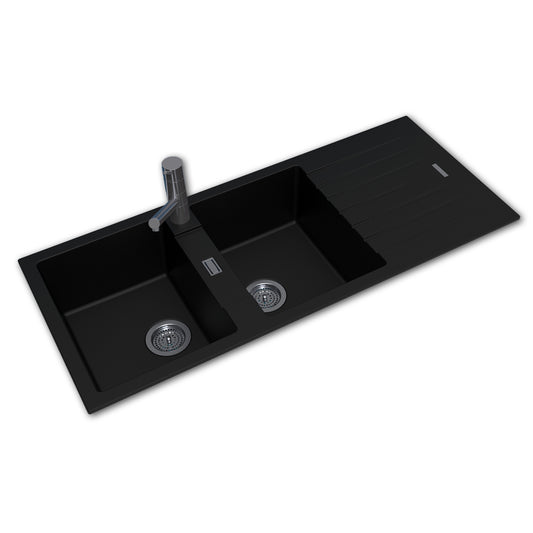
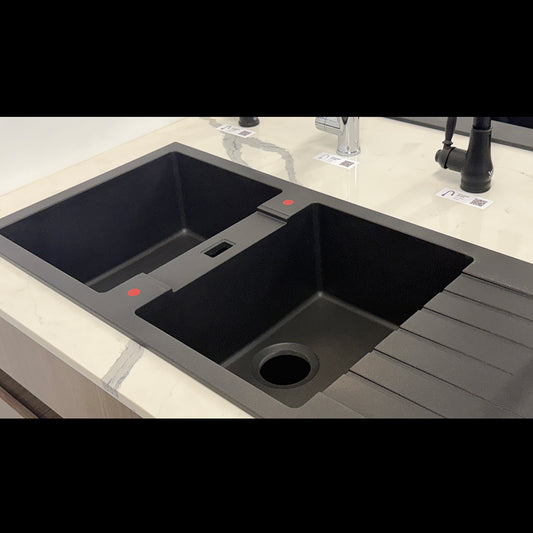
Many sinks in Ezymall’s granite sink collection are suitable for both undermount and topmount installation:
https://ezymall.com.au/collections/granite

What Is a Topmount Sink?
A topmount (or drop-in) sink is installed from above, with the sink’s rim sitting on top of the benchtop cut-out. This is one of the most common and versatile installation methods.
Advantages of Topmount Sinks
-
Easier and more cost-effective to install
-
Compatible with a wide range of benchtop materials
-
Often suitable for DIY or replacement projects
-
Provides a visible edge that can protect benchtop cut-outs
Things to Consider
-
Sink rim is visible, which can interrupt benchtop lines
-
Requires a bit more cleaning around the edge
Best for:
-
Renovations or sink replacements
-
Laminate or timber benchtops
-
Budget-conscious projects

Cleaning & Maintenance Differences
-
Undermount sinks:
-
Easier benchtop cleanup
-
No rim to trap crumbs or moisture
-
-
Topmount sinks:
-
Slightly more edge cleaning required
-
Easier access for resealing or replacement
-
Both options are easy to maintain when paired with quality materials and proper installation.
Installation & Benchtop Compatibility
If you’re replacing an existing sink, topmount models are often the simpler solution. For new builds or full renovations, undermount sinks offer greater design freedom.
Which Option Is More Practical?
Choose an Undermount Sink if:
- You want a seamless, modern kitchen look.
- You have a stone or granite benchtop.
- Easy benchtop cleaning is a priority.
Choose a Topmount Sink if:
- You're renovating or replacing an existing sink.
- You want a simpler, more cost-effective installation.
- Your benchtop material requires greater installation flexibility.
There's no universal "better" option—the right choice depends on your kitchen design, budget and how you use your space.
Whichever installation style you choose, it's important to make sure the sink is compatible with both your cabinet and your benchtop. Check the sink's minimum cabinet requirement and benchtop cut-out dimensions before ordering. Our Kitchen Sink Size Guide explains the cabinet and sizing requirements to help you choose with confidence.
Final Thoughts
Both undermount and topmount sinks can be practical, stylish, and durable when chosen correctly. Undermount sinks offer a sleek, modern finish, while topmount sinks provide flexibility and ease of installation.
At Ezymall, our sink collections include options suitable for both installation styles, designed to support everyday use and long-term reliability.
Explore the full Ezymall kitchen sink collection here:
https://ezymall.com.au/collections/kitchen-sink