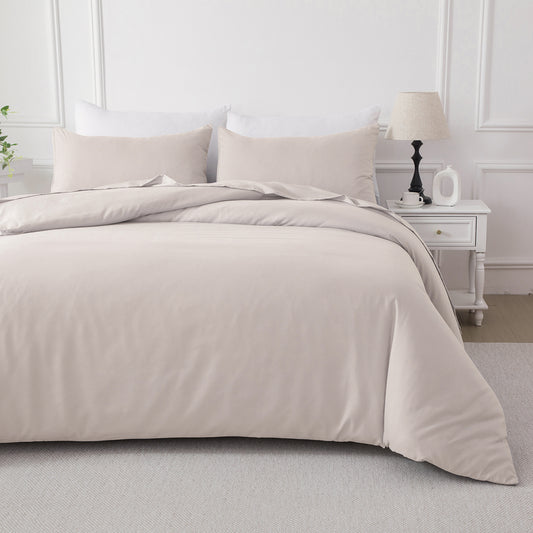
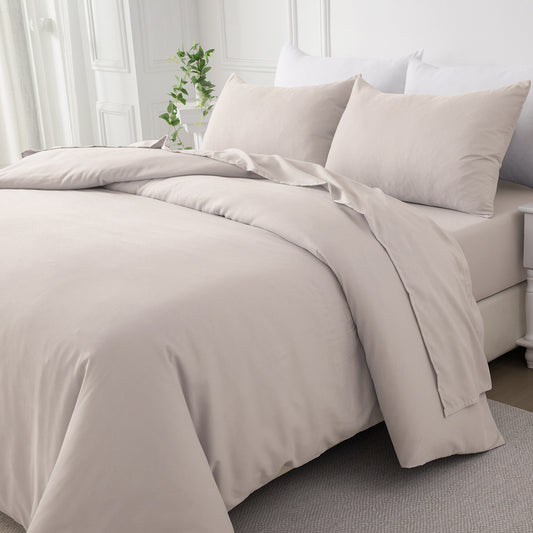
Learn how fibre, weave, fabric weight, texture and care can influence bedding comfort—without assuming one material guarantees better sleep.
Bedding material can influence how the bed feels through the night. Fibre type, weave, fabric weight and construction all affect texture, airflow, moisture handling and thermal comfort.
That does not mean one fabric guarantees better sleep. Room temperature, humidity, the quilt, mattress, sleepwear and personal preferences also contribute. Research comparing fibre types is still limited, so it is more useful to choose bedding according to comfort and practical needs than to treat one material as universally superior.
1. Thermal comfort involves more than fibre type
Bedding creates a layer between the body and the surrounding room. How warm or enclosed that layer feels depends on several connected factors:
- The fibre and weave
- The weight and thickness of the fabric
- The quilt filling and warmth
- Room temperature, humidity and airflow
- Sleepwear and additional blankets
- Individual temperature preferences
Two products made from the same fibre may perform differently because their weave, weight and finish are not identical. Check the individual product information rather than relying only on a material name.
2. Cotton bedding
Cotton is a natural fibre commonly used for sheets, pillowcases and quilt covers. It is generally breathable, but its exact feel and airflow depend on the weave and construction.
Cotton may suit people who prefer:
- Natural textile fibres
- A breathable feel
- A choice of crisp, smooth or textured weaves
- Bedding that can be layered across different seasons
Cotton is not a single uniform fabric. For example, a twill weave has a different texture and structure from a plain weave. Read our cotton and cotton twill guide for a closer explanation.
Explore Ezymall’s cotton bedding collection to compare available colours, sizes and product details.

3. Microfibre bedding
Microfibre bedding is generally made from very fine synthetic fibres, commonly polyester. It often has a smooth surface and is valued for convenient washing and quick drying.
Microfibre may suit people who prefer:
- A smooth, lightweight feel
- Quick-drying bedding
- Easy maintenance for frequent washing
- A generally more accessible price point
Microfibre is sometimes described as automatically warmer or less breathable than cotton, but performance varies with construction and fabric weight. Compare the actual product rather than assuming every synthetic fabric behaves the same way.
Our cotton vs microfibre bedding guide provides a detailed side-by-side comparison.
Browse Ezymall’s microfibre bedding collection to see the available options.

4. Texture and personal comfort
The way bedding feels against the skin is highly personal. Some people prefer a crisp cotton sheet, while others prefer a smoother surface.
When comparing textures:
- Consider whether you like crisp, soft, smooth or gently textured fabric.
- Check whether a weave is likely to change after washing.
- Review the care instructions before buying.
- Do not assume “soft” means the same thing across different products.
If a fabric causes persistent skin discomfort, stop using it and seek appropriate professional advice rather than relying on general bedding claims.
5. Fabric weight and seasonal layering
Fibre type is only one part of seasonal comfort. A heavier weave may feel different from a lightweight version of the same material, while the quilt inside the cover provides much of the overall warmth.
Use adjustable layers where practical and review the quilt, sheets, cover and blankets as one system. Our guide to choosing comfortable bedding year-round explains how to balance fabric, weight and layers.
6. Care requirements affect everyday comfort
Bedding that fits your normal laundry routine is easier to keep in regular use. Before buying, check:
- Recommended washing temperature and cycle
- Whether tumble drying is allowed
- Likely drying time
- Whether ironing is recommended
- How frequently the bedding is likely to be washed
Always follow the individual care label. For detailed washing, drying, stain and storage advice, use our bedding care guide.
7. A practical bedding-material checklist
Before choosing a sheet set or quilt cover, ask:
- Do I prefer natural or synthetic fibres?
- What texture feels most comfortable to me?
- How warm does the bedroom become?
- What fabric weight and weave does the product use?
- Will the care routine suit my household?
- Are the measurements and set inclusions correct?
If you are buying a quilt cover, our quilt cover buying guide brings these considerations together.
What does the research say?
A systematic review of studies comparing sleepwear and bedding fibres found that materials may influence thermal comfort and some sleep outcomes under particular conditions. However, the studies used different fibres, products, populations and room temperatures, making broad comparisons difficult. The researchers concluded that more standardised research is needed.
You can read the open-access systematic review of bedding fibres and sleep quality for the full methodology and limitations.
Frequently asked questions
Can bedding material improve sleep quality?
Material may influence comfort and the thermal environment, but no fabric guarantees better sleep. Room conditions, quilt warmth, construction and individual preferences also matter.
Is cotton always cooler than microfibre?
Cotton is generally more breathable, but actual comfort depends on the weave, fabric weight, quilt, room temperature and the person using it.
Is natural fibre bedding always better?
No. Natural fibres and synthetic fibres have different advantages. Choose according to texture, breathability, drying, maintenance, price and the individual product details.
What should I choose if I prefer quick-drying bedding?
Microfibre is generally quick drying and may be practical for frequent washing. Confirm the product’s care instructions before buying.
Should all my bedding use the same material?
No. Sheets, pillowcases and quilt covers can use different materials, provided their feel, sizing and care routines work for your household.
Further reading
- Refresh Your Bedding for Summer Comfort – review fabric, quilt weight and adjustable layers for warmer weather.
- Why Easy-Care Materials Matter in Busy Households – compare washing, drying and maintenance before buying.
- How to Build a Calm Bedroom Environment for Better Sleep – consider lighting, layout and routine alongside bedding.
Final thoughts
Bedding material can influence texture, airflow, moisture handling and thermal comfort, but fibre type is only one part of the sleep environment.
Compare the weave, weight, care instructions, quilt and room conditions, then choose according to what feels practical and comfortable for you. Bedding should support your preferences without promising a particular sleep outcome.
Explore Ezymall’s wider bedding collection to compare cotton and microfibre quilt covers, sheets and pillowcases.