Learn what cotton twill is, how its diagonal weave affects texture and structure, and what to consider when choosing comfortable cotton bedding for your home.
When you are choosing bedding, the fabric affects far more than appearance. It influences texture, breathability, washing, durability and how comfortable the bed feels throughout the year.
Cotton remains a popular bedding material because it is a natural fibre with a familiar, breathable feel. Cotton twill uses those same fibres in a distinctive weave that gives the fabric added texture and structure.
This guide explains what cotton twill is, how it differs from a standard plain weave and what to consider before deciding whether it suits your bedroom and lifestyle.

1. Why cotton is widely used for bedding
Cotton fibres allow air to move through the fabric, which can make cotton bedding feel breathable and comfortable. The exact feel depends on factors such as the yarn, weave, fabric weight and finishing process, so not every cotton product will feel identical.
People often choose cotton because they prefer natural fibres and a fabric that can work across different seasons. If material choice is your main concern, our guide to how bedding material affects comfort explains breathability, texture and fabric weight in more detail.
2. What is cotton twill?
Twill describes the way the threads are woven, rather than a separate type of fibre. In a twill weave, the threads pass over and under one another in an offset pattern, creating the subtle diagonal lines visible across the surface.
Compared with a simple plain weave, twill generally feels more structured and has a distinctive texture. The weave can also help the fabric handle regular use, although performance still depends on the quality of the fibres, construction and care.
3. How cotton twill feels
Cotton twill often combines the familiar feel of cotton with a slightly more substantial surface. Some people enjoy this gentle texture because it gives the bedding visual depth without relying on a printed pattern.
However, fabric preference is personal. If you enjoy a very smooth, lightweight feel or want something that dries quickly, microfibre may also be worth considering. Our cotton vs microfibre comparison can help you decide which qualities matter most.

4. Style and colour
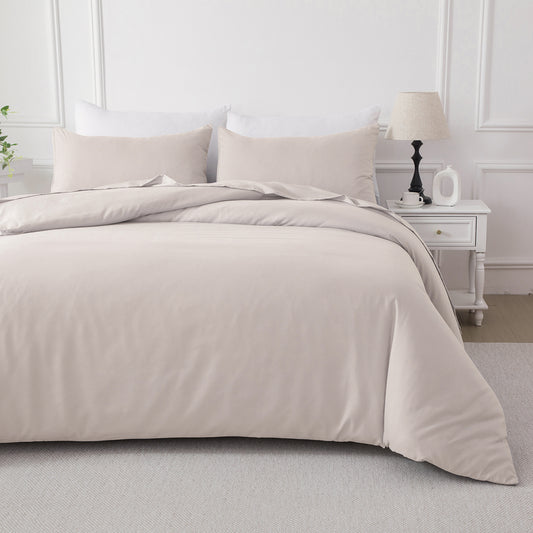
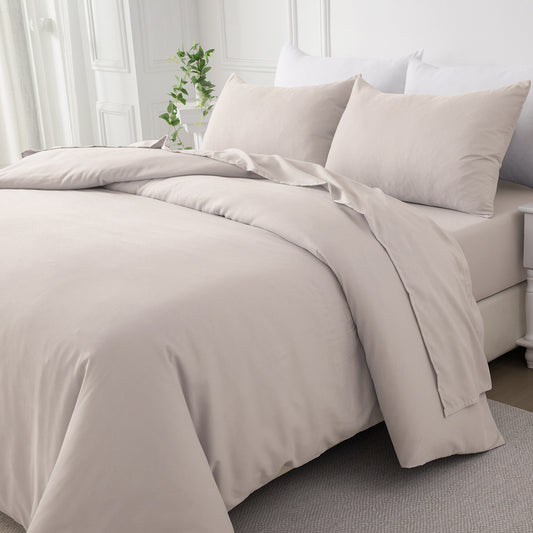
The diagonal twill texture can add quiet detail to plain-coloured bedding. This makes it useful when you want a simple bedroom that still feels layered and considered.
Neutral shades can create a calm foundation, while deeper colours can add warmth or contrast. Because the weave already creates some texture, cotton twill can work well with simple pillowcases, a knitted throw or one patterned accent.
For help coordinating the whole bed, see our guide to choosing the right quilt cover set.
5. Care and everyday use
Always follow the care label supplied with the individual product. Washing temperature, drying instructions and whether ironing is recommended can vary between cotton bedding products.
Turning bedding inside out before washing may help protect the visible surface. Avoid excessive heat unless the care instructions allow it, and make sure every piece is fully dry before folding or storing it.
For a more complete routine, read our bedding care guide.

6. Is cotton twill right for you?
Cotton twill may be a good match if you prefer:
- Natural cotton fibres
- A breathable fabric
- A gently textured, structured weave
- Plain colours with subtle visual detail
- Bedding that can be used across different seasons
Before purchasing, also check the product measurements, inclusions and care instructions. Material is important, but the right size and maintenance requirements matter just as much.
Frequently asked questions
Is cotton twill the same as ordinary cotton?
Cotton describes the fibre, while twill describes the weave. Cotton twill is made with cotton fibres arranged in an offset pattern that creates subtle diagonal lines.
Is cotton twill suitable for year-round bedding?
Many people use cotton bedding throughout the year because of its breathability. Seasonal comfort also depends on the quilt, fabric weight, room temperature and additional layers.
Does cotton twill feel rough?
It generally has more texture than a very smooth plain weave, but the actual feel varies between products. Check the product description and fabric details if texture is especially important to you.
Does cotton twill wrinkle?
As a cotton fabric, it can still crease. The amount depends on the construction, washing method and drying process. Always follow the product’s care label.
What should I check before buying cotton bedding?
Check the fibre composition, dimensions, set inclusions, colour, care instructions and whether the fabric weight and texture suit your preferences.
Further reading
- How to Choose Bedding That’s Comfortable Year-Round – balance fabric, weight and layers as the seasons change.
- Why Easy-Care Materials Matter in Busy Households – consider washing, drying and maintenance before choosing household textiles.
- Designing a Bedroom That Feels Like You – use bedding colour and texture to create a more personal room.
Final thoughts
Cotton twill combines a natural cotton fibre with a distinctive diagonal weave. Its breathable feel, gentle texture and structured appearance can make it an appealing choice for people who want bedding that feels comfortable and looks quietly refined.
There is no single material that suits every sleeper or household. Compare the feel, care requirements and product details, then choose the fabric that fits naturally into your everyday routine.
Explore Ezymall’s cotton bedding collection or browse the wider bedding collection to compare available materials, colours, sizes and designs.