Create a quieter, more practical bedroom by reviewing light, noise, temperature, layout, bedding and routine—without treating décor as a guaranteed sleep solution.
A bedroom cannot guarantee better sleep, but its layout and atmosphere can make it easier to follow a comfortable evening routine. Light, noise, temperature, bedding and visual distractions are all practical factors you can review.
You do not need a full renovation. Begin with the parts of the room that regularly bother you, then make small changes that suit your household and preferences.
1. Make the room comfortable for you
Comfort is personal. Some people prefer a cooler room, while others need additional warmth. Review the bedroom as a whole rather than looking for one universal setting.
Consider:
- Whether the room feels too warm or too cold
- Whether air can circulate safely
- Whether outside light or noise regularly disturbs you
- Whether the mattress, pillows and bedding feel comfortable
- Whether you can move around the bed safely at night
Adjust one factor at a time so you can tell whether the change is useful.
2. Choose colours that feel comfortable
Soft neutrals, muted greens, blues and earthy shades are common bedroom choices, but a calm space does not have to be pale or minimal.
The best colour palette is one you enjoy and can coordinate with existing furniture and bedding. If you prefer richer colours or patterns, use them consistently and balance them with simpler surrounding elements.
For detailed colour, texture and lighting ideas, read Creating a Calm Bedroom Retreat.

3. Keep the layout clear and practical
A bedroom does not need to be empty, but frequently used areas should be easy to navigate and maintain.
- Keep walking areas clear.
- Limit bedside surfaces to items you regularly use.
- Give clothing and laundry a consistent storage place.
- Keep work equipment away from the bed where practical.
- Avoid decorative pieces that create a safety hazard or make cleaning difficult.
If visual simplicity is important to you, our bedroom styling tips provide more practical ideas.
4. Use flexible bedroom lighting
One bright overhead light is not always suitable for every bedroom activity. Layering general and focused lighting gives you more control.
You might combine:
- A ceiling light for dressing and cleaning
- A bedside or reading lamp
- Dimmer controls where they are compatible and properly installed
- Curtains or blinds that manage outside light
Warm-toned lighting often creates a softer appearance, but make sure there is still enough light to read and move safely.
5. Reduce avoidable noise and screen distractions
If noise regularly enters the bedroom, consider practical measures such as closing doors or windows where safe, using suitable curtains, moving noisy devices or discussing recurring household noise.
If screens make it harder for you to settle, try:
- Lowering the brightness
- Using a device’s night mode
- Moving charging devices away from the bedside
- Keeping work messages and notifications out of reach
- Choosing a screen-free activity before bed
The aim is not to create a perfect rule. It is to reduce distractions that you personally find unhelpful.
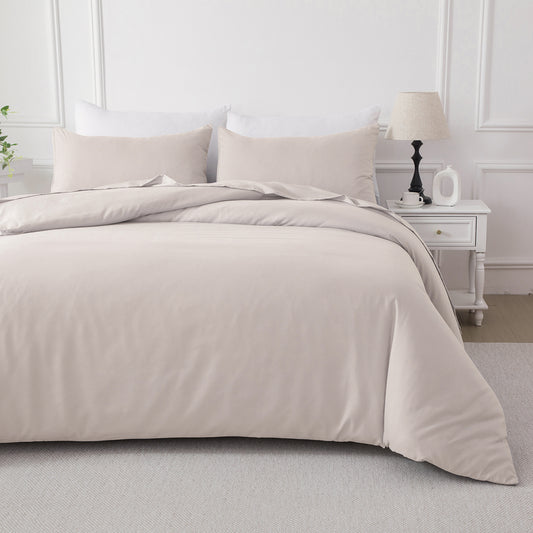
6. Choose bedding for comfort and practicality
Bedding material can influence texture, airflow, moisture handling and thermal comfort, but no fabric guarantees better sleep.
Compare fibre, weave, fabric weight, quilt warmth and care requirements. Our evidence-aware guide to how bedding material affects comfort explains these factors and the limitations of current research.
For a direct material comparison, see cotton vs microfibre bedding.
Explore Ezymall’s bedding collection to compare available quilt covers, sheets and pillowcases.

7. Use layers that can change with the season
The quilt provides much of the bed’s warmth. If the bed feels uncomfortable, review the quilt and room conditions as well as the cover material.
Several adjustable layers may be easier to manage across changing temperatures than one fixed arrangement. Keep only the sheets, blankets and decorative pieces you actually use.
Our guide to choosing bedding that works year-round covers fabric weight and layering in more detail.
8. Create a consistent wind-down routine
A routine does not need to be elaborate. Repeating a small number of familiar steps may make the end of the day feel more organised.
For example:
- Prepare the room and bedding.
- Reduce unnecessary light and notifications.
- Put away work or unfinished household tasks where possible.
- Choose a quiet activity you find relaxing.
- Keep sleep and wake times reasonably consistent where your circumstances allow.
Use routines as flexible support rather than another source of pressure.
What does Australian sleep guidance recommend?
Healthdirect Australia describes sleep hygiene as a combination of habits and environmental factors. Its guidance includes keeping the bedroom comfortable, quiet and dark, maintaining regular sleep patterns, limiting screens in bed and keeping known stressors such as work tools out of the bedroom where possible.
Read the complete Healthdirect sleep guidance, including advice about when to seek professional help.
Frequently asked questions
Does a calm bedroom guarantee better sleep?
No. A comfortable environment may support good sleep habits, but sleep is affected by many personal, medical and lifestyle factors.
Does a bedroom have to be neutral to feel calm?
No. Use colours and patterns you find comfortable. Consistency and practical layout may matter more than following a particular decorating style.
Should the bedroom be completely silent?
Not necessarily. Reduce noises that disturb you, but the preferred background sound level varies between people and homes.
Can bedding material fix sleep problems?
No. Bedding can influence comfort, but it does not diagnose or treat sleep problems. Persistent difficulties should be discussed with a healthcare professional.
How can I improve the bedroom without spending much?
Begin by clearing walking areas, reducing bedside clutter, adjusting existing lighting, managing notifications and reviewing the bedding layers you already own.
Further reading
- Designing a Bedroom That Feels Like You – create a room that reflects your preferences without a complete redesign.
- Refresh Your Bedding for Summer Comfort – review fabric, quilt weight and layers for warmer weather.
- Simple Bedding Care Tips – keep washing, drying and storage appropriate for the fabric.
When to seek help
If you regularly have trouble falling asleep, wake repeatedly, do not feel refreshed or find that tiredness is affecting daily life, speak with your doctor or another qualified health professional. Bedroom styling and bedding are not substitutes for medical assessment.
Final thoughts
A calm bedroom is not about achieving a particular look. It is about making the space comfortable, practical and less distracting for you.
Review light, noise, temperature, layout, bedding and routine one step at a time. Keep the changes that genuinely help and avoid treating any single product or decorating choice as a guaranteed sleep solution.