PVD sinks are scratch-resistant, not scratch-proof. Learn how to care for gunmetal, copper and brushed brass finishes without damaging the coloured surface.
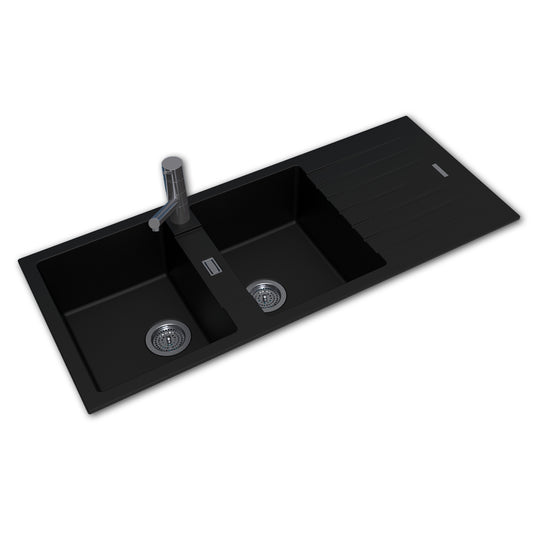
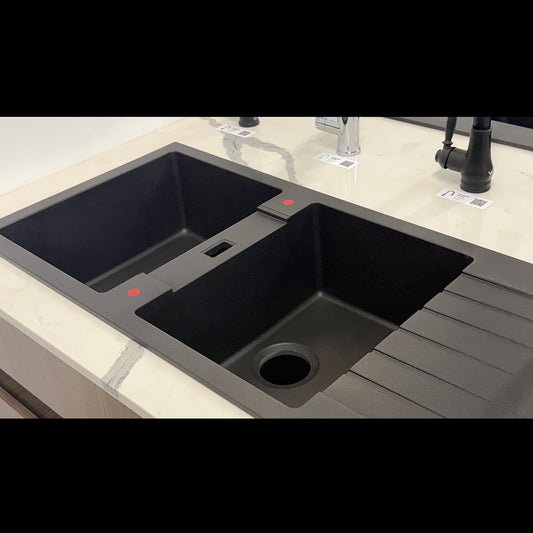
Gunmetal, copper and brushed brass sinks can bring warmth and depth to a kitchen, but the coloured finish does need sensible care. The short answer is simple: a PVD sink can scratch. It may resist everyday wear, but it is not scratch-proof.
That does not make a PVD sink impractical. It means treating it as a finished surface, rather than assuming that every cleaning or scratch-removal method used on bare stainless steel will be suitable.

The quick answer
PVD sinks are scratch-resistant, not scratch-proof. Reduce avoidable damage by using a correctly fitted bottom grid, keeping grit away from the bowl, avoiding steel wool and abrasive scourers, and not dropping or dragging sharp or heavy cookware across the finish. For routine cleaning, start with a soft cloth, warm water and a mild dishwashing liquid, then rinse and dry. If the supplier’s care instructions differ, follow the instructions for your exact sink.
What is a PVD kitchen sink?
PVD stands for physical vapour deposition. In a coloured stainless-steel sink, it describes a finishing process that deposits a very thin coloured layer onto the stainless-steel surface. Gunmetal, copper and brushed brass are colour descriptions; PVD is the finishing process used on many sinks in those colours.
This distinction matters. A gunmetal PVD sink is still a stainless-steel sink beneath its coloured surface. The PVD finish can improve appearance and surface performance, but it does not turn the bowl into a completely different, damage-proof material. Coating systems also vary, so the instructions and warranty for the exact model should always take priority over general internet advice.
If you would like a wider explanation of the process, read our guide to PVD coating on kitchen fixtures.
Are gunmetal and other PVD sinks scratch-proof?
No. Reputable Australian product and care information uses terms such as scratch-resistant, not scratch-proof. Some manufacturers state plainly that sharp objects can scratch the coloured surface and leave permanent marks.
“Scratch-resistant” means the finish is designed to handle normal use better than an easily marked decorative surface. It does not promise immunity from knives, gritty cookware, dropped utensils or a heavy pan dragged across the bowl.
It is also worth keeping expectations realistic with any stainless-steel sink. Fine wear can develop as a kitchen is used. On a coloured PVD sink, however, aggressive polishing intended to blend scratches in bare stainless steel may alter the colour, sheen or texture—so the repair approach is not the same.

What usually causes marks on a PVD sink?
Most avoidable marks come from contact, trapped grit or unsuitable cleaning—not simply from water touching the bowl.
- Dragging cookware: sliding pots, pans, oven trays or cast-iron items across the base can score the surface.
- Sharp impacts: dropped knives, utensils or heavy objects may dent or scratch the finish.
- Grit beneath cookware or accessories: tiny particles can act like an abrasive when an item moves.
- Steel wool and abrasive scourers: these can visibly change the finish and should not be used unless the sink manufacturer specifically approves them.
- Harsh chemicals: chlorine bleach, acidic or caustic cleaners and strong multipurpose products may discolour or damage some finishes.
- Metal items left wet: leaving mild steel, cast iron or wet metal utensils in the bowl may create staining or transferred marks.
- Using the sink as a workbench: tools, tile offcuts and renovation debris can damage a new sink before the kitchen is even finished.
Is it a water mark, transferred metal or a permanent scratch?
Not every visible line or pale patch is damage to the PVD layer. Start gently and avoid trying to “polish it out” before you know what you are looking at.
| What you can see | Possible cause | Safest first step | Avoid |
|---|---|---|---|
| Cloudy spots or pale rings | Dried water and mineral residue | Wash gently with the approved mild cleaner, rinse and dry | Assuming every descaler or acidic cleaner is safe |
| Grey or metallic-looking line | Material transferred from cookware or utensils | Photograph it and use only a supplier-approved method | Rubbing harder with an abrasive pad |
| Line that remains after gentle cleaning | Possible scratch in the finish | Stop cleaning aggressively and contact the supplier | Buffing, sanding or using a stainless-steel scratch kit |
| Orange or brown deposit | Possible contamination or residue from another metal | Remove the foreign item, photograph the area and check the care guide | Leaving the source wet in the bowl |
This table is a starting point, not a remote diagnosis. If a mark remains after the approved gentle-cleaning method, the safest next step is to send clear photographs and the product details to the retailer or manufacturer.
How to clean a gunmetal, copper or brushed brass PVD sink
A simple routine is usually the best routine:
- Remove food and loose grit. Rinse particles away rather than rubbing them around the bowl.
- Wash with a soft cloth or non-abrasive sponge. Warm water and a small amount of mild dishwashing liquid are the safest general starting point.
- Rinse thoroughly. Do not leave cleaner or food acids sitting on the surface.
- Dry with a soft cloth. This helps reduce water marks and mineral deposits, particularly in hard-water areas.
- Clean accessories separately. Lift the grid or basket, wash beneath it and remove grit from feet and contact points before putting it back.
Do not assume vinegar is suitable for every PVD sink. Some published care guides allow a diluted vinegar solution, while other Australian PVD care guidance specifically says to avoid vinegar. Because the coating system and warranty conditions may differ, only use vinegar, descaler or a specialty cleaner when the instructions for your exact sink permit it.

How does a sink bottom grid help?
A correctly fitted bottom grid creates a buffer between cookware and the sink base. It can reduce direct impact and help stop pots, cutlery and dishes from rubbing across the coloured surface. Many grids also keep items above the drain area.
A grid reduces risk; it does not make the sink scratch-proof. For it to help:
- Use a grid made for the bowl dimensions and waste position.
- Confirm that its protective feet and bumpers are present and undamaged.
- Lift and clean underneath it regularly.
- Remove trapped grit rather than allowing it to move beneath the feet.
- Do not drop heavy cookware onto the grid or overload an accessory beyond its intended use.
Browse kitchen sink accessories, but check the exact dimensions and compatible models before ordering. Our guide to accessory-compatible kitchen sinks explains why a close-looking accessory is not automatically a correct fit.
What should you do if a PVD sink is scratched?
First, stop. Do not reach for steel wool, sandpaper, an abrasive paste or a scratch-removal kit intended for ordinary stainless steel.
On bare stainless steel, some repair advice involves blending or refinishing the grain. A coloured PVD sink has a thin finished layer over the stainless-steel substrate. Aggressive rubbing may enlarge the mark, change the sheen or remove more colour around it. Published PVD care information commonly warns that scratches may not be removable.
- Gently clean and dry the area using the approved routine.
- Take clear photographs in normal light and from more than one angle.
- Record the sink model, purchase details and what happened.
- Check the product care guide and warranty exclusions.
- Ask the supplier whether the mark is cleanable, repairable or considered permanent before trying anything stronger.
Contact the supplier promptly if the colour appears to be lifting, peeling, blistering or changing without an obvious impact, or if a mark appeared before use. Do not attempt a repair that could make assessment—or a valid warranty claim—more difficult.

How to protect a PVD sink during installation and renovation work
A surprising amount of damage happens before the first meal is prepared. A newly installed bowl can look like a convenient place for tools, screws, tile adhesive, grout water or paint equipment—but those materials can scratch or chemically affect the finish.
- Inspect the sink when it arrives and report transit damage before installation.
- Keep the manufacturer’s protective packaging or film in place for as long as its instructions allow.
- Tell every trade that the sink has a finished coloured surface.
- Do not use the bowl to store tools, fasteners, offcuts or chemicals.
- Keep metal filings, stone dust, grout and adhesive away from the sink.
- If the sink must be covered, make sure abrasive debris is not trapped beneath the protection.
- Remove installation residue only by the method approved for the exact sink.
Installation should follow the product drawing and supplier instructions. The installer should also confirm that clips, sealants and other materials are suitable for the sink and benchtop.
What should you check before buying a coloured PVD sink?
The finish is only one part of the decision. Before ordering, check:
- ☑ The base material and exact finish stated on the product page
- ☑ Whether a compatible bottom grid is included, optional or unavailable
- ☑ The approved cleaning products and prohibited chemicals
- ☑ Warranty terms for finish damage, scratches and incorrect care
- ☑ The actual sink, bowl and cut-out dimensions from the product drawing
- ☑ Whether the finish and size suit the way your household cooks and cleans
You can compare the current range of Ezymall kitchen sinks, including coloured stainless-steel options. Always use the individual product page and supplied drawing for the final selection rather than assuming that sinks with the same nominal size or colour are identical.
Frequently asked questions
Do gunmetal sinks scratch easily?
A gunmetal PVD sink is generally sold as scratch-resistant, not scratch-proof. Normal careful use should not be confused with dragging gritty or heavy cookware across the bowl. The finish, household habits and use of a compatible bottom grid all affect the likelihood of visible marks.
How do you clean a gunmetal PVD sink?
For a safe general routine, remove grit, wash with warm water, mild dishwashing liquid and a soft cloth or non-abrasive sponge, then rinse and dry. Follow the exact manufacturer’s care instructions if they specify a different method.
Can I use vinegar on a PVD sink?
Only if the care instructions for your exact sink permit it. Published guidance differs: some brands allow diluted vinegar, while other PVD care guides say to avoid it. Do not treat vinegar as a universally safe natural cleaner for every coloured sink.
Can scratches be removed from a gunmetal sink?
Do not try to polish or sand a scratch from a PVD surface without written advice from the supplier. Methods used to blend scratches in bare stainless steel may remove or alter the coloured layer. Some PVD care guides state that surface scratches cannot be removed.
Does a bottom grid prevent every scratch?
No. It reduces direct contact and impact on the bowl base, but damage can still occur on exposed areas or if grit becomes trapped beneath the grid. Keep the grid, its protective feet and the sink surface clean.
Are water marks permanent on a gunmetal sink?
Many water marks are mineral residue left after droplets dry, rather than scratches in the finish. Gentle approved cleaning and drying may remove or reduce them. If a mark remains, avoid escalating to abrasive or acidic cleaners without checking the supplier’s instructions.
Is the care routine the same for copper and brushed brass PVD sinks?
The low-risk basics are similar: avoid abrasives and harsh chemicals, rinse away residue and dry the surface. However, coating systems and warranty terms can differ, so the care guide for the exact copper, brushed brass or gunmetal model remains the final authority.
Sources and further checking
Care instructions vary, so we compared current Australian product information and manufacturer care guidance rather than treating one cleaning method as universal.
A little prevention is easier than trying to repair the finish
A PVD sink can be a practical, striking choice when its care requirements suit your household. The sensible approach is not to worry about every droplet—it is to prevent the avoidable damage: rinse away grit, use gentle cleaners, dry visible water marks, protect the bowl from hard contact and ask before attempting a repair.
If you are comparing colours, remember that gunmetal, copper and brushed brass may change how marks look, but none should be marketed or treated as scratch-proof.
Compare the sink—and its care requirements
Check the exact finish, included accessories, dimensions and care instructions before choosing.
Browse kitchen sinks Browse sink accessories